notebook for the ages ♒︎

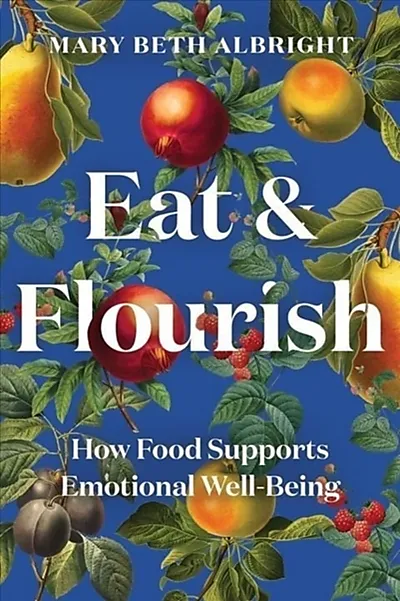
Eat & Flourish: How Food Supports Emotional Well-Being (2022) by Mary Beth Albright

I don't tend to write a lot of reviews of non-fiction books because how should I even do that when I cannot even start to question what is being said. I can comment on how it is being shared and the focus of the book, but that's not very interesting when I choose to pick up the books for the information I hope they can offer me. I picked up this book in hope of finding some ways to improve my gut health and emotional wellbeing, and that is what I got. I loved learning more about how the human body works and which foods supports which processes and moods in the body based on scientific studies. Overall, I will bring with me this knowledge into the future in the hopes of creating better eating patterns for myself. This book advocates for a mediterrian style diet with focus on whole foods, fermented foods and a higher intake of fiber. As well as, cooking and eating with somone instead of alone. Community is a way of strenghtening our emotional wellbeing, and cooking let us use all our senses. Maybe there's some truth to the saying "food is medicine" when it contains benefitical ingredients, pleasure and community.

Here are some of the highlights and main takeaways I got from the book. I share these in hope that they may help you too!


What can food do?

* Moderate our responses to stress, anger, anxiety, sadness, and so on. 

* Reduce and induce inflammation in the body and brain

* Long-term eating patterns can set us up for long-term well-being


A Healthy relationship with food

* Includes pleasure, and how and what we eat.

* Is sustainable long-term.

* Is not just about how many calories and nutrients a person eats in a day.

* Includes a regular eating pattern.

* Knows that everyone are different, and that if several people eat and exercised the exact same every day, they would still not look the same.

* It's a journey.


Food ↭ Emotions

* Emotions impacts what and how we eat, and what and how we eat impacts our emotions. When we feel down or distressed we are more likely to make food choices that are bad for our mood, and further enhance the circle. However, the idea of neuroplasticity includes that our eating habits\patterns can change and start working more in our favore if we change to foods that better support us and our moods. Which comes first (food or emotions) is hard to say, but they impact each other both ways. 

* Mood impacts how we experience food and factors like the intensity of taste and flavor, and more. The same goes for the color of the food, how it is served and the texture of the food. Food may taste sweeter if you're happy, while they may taste more bitter if your favorite sports team just lost their game. Depression may cause a preferance for sugar and enhance sweet and bitter flavors. Anxiety is directly related to our perception of taste (based on altered serotonin and noradrenaline levels in our body).

* How the food is presented impacts our experience of sweetness. Coffee tastes better in a white cup than a blue. Desserts taste sweeter on a round plate than a square plate, on a white plate than a black plate. We expect food and drinks with stronger colors to taste more intensely.

* How we eat matters. Eating with people and using mealtime as a mean of strenghtening community helps. Verbalizing how we feels makes the emotions less intense, as well as strenghten our sense of belonging. Eating alone and being lonely negatively affects our health. The risk for heart disease increases.

* Planning, buying groceries and cooking for ourselves and other people are all healthy habits. They may create good feelings as we associate each action with people we like, taking care of loved ones, being selective about which produce we get, making us feel like we're picking especially good ingredients.

* Your body may need more of certain nutrients when it is experiencing certain emotional states. For example, if you're often stressed you may eat more magnesium-rich foods, or if you're sad, zinc.

* Hanger is your body telling you you're hungry, but also activating this as a negative feeling. Chronic stress can change the hangry neurons and result in inflammation. When you're hungry, eat properly. The agRP activity in your gut will not be properly reduced or turned off until next time if you only drink a diet coke to 'curbe your hunger.'

* Trauma can change your gut microbiome. Yet, there is not one "perfect" gut microbiome nor a perfect way to eat. We are all unique and need to make changes after our needs. Our gut microbiome changes every single day around what we eat, medication, exercise, age, if we have pets, if you gardened, who you're around, your sex, emotions and genes. As well will the microbiome of someone with anxiety look different from someone without it.

* Often we may anticipate a food more than the pleasure we get when we eat it. This may be especially true for fat and sugar-rich foods, f.ex. sweets, ultraprocessed foods, and fast foods which our brains crave as easy energy. However, the same foods may increase inflammation in our body and starve the bacterias in our gut for nutrients to keep us healthy. The more frequent we eat these foods, the more we will take notice of access to these foods around us, yet recieving less pleasure from actually eating them.


Food, mood, and inflammation - the gut

* Having meaning in your life lowers your genetic expression of inflammation and cortisol. 
* Having a "higher purpose" in life makes your cortisol levels reduce faster after activation.
* Purpose makes you less reactive to negative stimuli.

* Gut bacteria is responsible for making short-chained fatty acids which protect against inflammation
* 50% of our dopamine is created in the gut.
* 90-95% of serotonin is created in the gut. 

* Oxidative stress may be caused by excessive sugar intake and many spikes in your blood sugar across the day. 


Helpful nutritional and food facts from the book

* A person needs 14grams per 1,000 kcals to properly feed the fiber-loving bacteria in our stomach. If the bacteria does not get the fiber it needs, it may begin eating on our stomach lining, which can cause issues over time. The book recommends that women get 25grams and men 38 grams a day.

* 5 fruits and vegetables a day (2 fruits, 3 vegetables?).

* Eat probiotics and prebiotics every day. Prebiotics feeds the good bacteria in our gut, probiotics can reduce inflammation. 

    * Eating foods\drinks with active strains of Bifidobacterium longum reduces stress in participants while doing traditionally stressfull tasks. Fx. yoghurt, fermented foods (not pickled, fermented without vinegar. You want the lactic acid bacteria alive), kombucha, fermented cottage cheese, kefir, miso paste.

    * Prebiotics are high in onion and garlic, oats, apples, banana, black beans, kidney beans, avocado, broccoli.

* Omega-3-Fatty Acids (esp. DHA, EPA) is one of the best researched nutrient in support of mental health. It promotes sleep, decreases anxiety, allivates depression and is an "essential fat" in our diet. It can be retrived from fatty fish, seaweed and algae, or be added to other products like milk. Omega-3 ALA can be found in walnuts, flaxseeds and leafy greens, and can be transformed in the body to DHA\EPA. However, ineffectively. Most people do not eat enough omega-3.

* Omega-6 is to find in soybeans and corn, thus making it a nutrient we tend to have too much off due to them being common in ultraprocessed foods.

* Eating fermented foods and a higher intake of magnesium regularly may reduce social anxiety.

* Serotonin in the gut is created by getting enough of the amino acid, tryptophan (oats, nuts, cheese, turkey), and vitamin B6. However, tryptophan may also lead to inflammation if we do not have enough of the good gut bacteria and our body cannot process it well.

* If you're nervous\afraid a lot and adrenaline is pumped into your blood, you usually have a higher need for vitamin C. Humans cannot make vitamin C on its own. Food suggestions: citrus fruits, yellow peppers, kale, broccoli, brussel sprouts, strawberries.

* If you're angry\mad a lot it may cause stress, brain fog and memory issues. Suggested foods: tuna, salmon, anchoves, pumpkin seeds, beans, lentils. Foods with calm scents like rosemary and lavendel.

* Foods that support sadness are: dark chocolate (with cocoa butter), hot peppers, eggs, turmeric.

* Foods for when you're happy: oysters, leafy greens, nuts.

* Anti-inflammatory foods: beans, legumes, tomatos, nuts, olive oil, leafy greens, fatty fish, turmeric, oregano. Black tea, green tea, whole grains, cinnamon,

* Music can impact our eating speed. Fast music speeds it up, slow music speeds it down.

* Having a food ritual - saying thanks, eating with people - may make us take better food choices within a week.

* Exercise frequently to reduce chance of inflammation in your body. All types of exercise counts!


Strategies to eat more diversly

* 30 plants a week -> Eat all types of plants. Includes fruits, vegetables, grains, herbs, spices, berries, nuts and seeds.

* Eat the rainbow -> different color of the fruit may benefit different parts of your body

* The NOVA scale -> how to avoid the worst of ultra processed foods

* PING -> pleasure, inflammation, nutrients, gut microbiome.


How foods have changed over the last century

* The nutrient value in 43 crops have decreased since 1950 due to reduced soil quality and biodiversity in farming fields. Higher nutrient levels in foods affects the taste, aroma and mouthfeel of foods. Less nutrisious foods may thus be less pleasureable to eat.


FOUR BOOKS ABOUT HUMAN CONNECTEDNESS TO NATURE

A list of four books and poetry focusing on human connectedness to nature.

The Overview: Meditation on Nature for a World in Transitions by Willow Defebaugh

Publisher: Atmos, Year: 2024

Information of note: This book offers four different covers. The book is printed on 100% recycled paper, and is a linen-bound hardcover.


Atmos summary: Metamorphosis begins within. In order to mend our relationship with this planet, we need more than sustainability: we need a change of spirit. From the reciprocity of trees to the long view of volcanoes to the patience of spiders, The Overview illuminates the wisdom of the Earth and its many teachers. An anthology of meditative essays from Atmos Editor-in-Chief Willow Defebaugh alongside immersive photography of ecosystems around the world, it’s a pathway for reconnecting with nature through reverence, balance, evolution, and healing.

With photography by Chloé Milos Azzopardi, Jacques Brun, Christian Cassiel, Laurence Ellis, Théo de Gueltzl, Collin Hughes, Annie Lai, Gleeson Paulino, Ben Toms, Vivek Vadoliya, Alba Yruela, and more.


Garden Physics by Sylvia Legris

Publisher: Granta (Poetry), Year: 2022

Garden Physic is a radical poetic movement through plant life. With her singular line, she journeys readers through an investigation of how we articulate our ecological surrounds in language through botanical histories. 

With a structure that emulates the style of classic manuscripts, Legris’s book deploys humour, deep intellect, and a fanatical obsession with the potential of language, punching through the cliches of contemporary nature writing. 

The whole book is a glorious meditation on the garden and the power of plants: how they can heal us, emotionally and physically, and how we communicate with them.


Becoming Animal: An Earthly Cosmology by David Abram

Publisher: Random House, Year: 2010

David Abram’s first book, The Spell of the Sensuous—hailed as “revolutionary” by the Los Angeles Times, as “daring and truly original” by Science—has become a classic of environmental literature. Now Abram returns with a startling exploration of our human entanglement with the rest of nature.

As the climate veers toward catastrophe, the innumerable losses cascading through the biosphere make vividly evident the need for a metamorphosis in our relation to the living land. For too long we’ve inured ourselves to the wild intelligence of our muscled flesh, taking our primary truths from technologies that hold the living world at a distance. This book subverts that distance, drawing readers ever deeper into their animal senses in order to explore, from within, the elemental kinship between the body and the breathing Earth.

The shapeshifting of ravens, the erotic nature of gravity, the eloquence of thunder, the pleasures of being edible: all have their place in Abram’s investigation. He shows that from the awakened perspective of the human animal, awareness (or mind) is not an exclusive possession of our species but a lucid quality of the biosphere itself—a quality in which we, along with the oaks and the spiders, steadily participate.

With the audacity of its vision and the luminosity of its prose, Becoming Animal sets a new benchmark for the human appraisal of our place in the whole.


Right Story, Wrong Story: Adventures in Indigenous Thinking by Tyson Yunkaporta

Publisher: Text Publishing , Year: 2023


Right Story, Wrong Story extends Yunkaporta’s explorations of how we can learn from Indigenous thinking. Along the way, he talks to a range of people including liberal economists, memorisation experts, Frisian ecologists, and Elders who are wood carvers, mathematicians and storytellers.

Right Story, Wrong Story describes how our relationship with land is inseparable from how we relate to each other. This book is a sequence of thought experiments, which are, as Yunkaporta writes, ‘crowd-sourced narratives where everybody’s contribution to the story, no matter how contradictory, is honoured and included…the closest thing I can find in the world to the Aboriginal collective process of what we call “yarning”.’

And, as he argues, story is at the heart of everything. But what is right or wrong story? This exhilarating book is an attempt to answer that question. Right Story, Wrong Story is a formidably original essay about how we teach and learn, and how we can talk to each other to shape forms of collective thinking that are aligned with land and creation.


Thank you for reading!

If you enjoyed this post, you may also enjoy my last year's post about Animism & landconnectedness.

WHAT I'VE LEARNEAD ABOUT YOGA SINCE I STARTED

 I started yoga a few years ago, knowing absolutely nothing about it. Since then I've learned, mis-learned and gained new perspectives. Today, these are some perspectives on yoga that I hold and assumptions that I've experienced myself or others hold towards yoga that no longer are true to me about what yoga is and isn't.


Wrong: Yoga = ONLY asanas (poses) or exercise  

Better: All yoga leads towards the higher goal of meditation. Yoga is a highly spiritual practice for self-development. It does not have to start with or only is, yoga asanas.


Wrong: I am not flexible enough to do yoga Asanas so I cannot do yoga. 

Better: Everyone can do yoga, no matter their skill, size, or age. Yoga is supposed to meet the practitioners where they are in their yoga journey. This is different for everybody. You also become more flexible as you practice.


Wrong: I have to wear fancy yoga clothes to do yoga!  

Better: ANY clothes you comfortably can move around in ARE yoga clothes! The tight-fit, and often sexualized looks of modern yoga clothing is a part of a multimillion-dollar yoga industry that has nothing to do with traditional yoga and rarely supports Indian or other minority yoga practitioners in the West.


Wrong: I am not good enough if I can't do the full expression of an Asana! 

Better: Your yoga practice is not lesser nor are you receiving fewer benefits of a yoga asana for not being able to do the full extension. Yoga meets you where you are. A part of the yoga practice is to learn to let go of your ego as well. Yoga will meet you without expectations or narratives about the result.


Wrong: Yoga is too expensive!  

Better: Yoga has historically been for everyone no matter their age, size, socioeconomic status, ethnicity, etc., and doesn't have to cost money. Today, there are free yoga classes online and endless resources to learn from. You do not need fancy clothes, mats, or equipment to practice yoga - just your body and mind. Normal props or tools can be swapped for everyday objects in your home (blocks -> pillows, books. mats -> carpet, towels, duvet, etc., strap -> exercise strap, rope, towel, etc. clothes -> shorts, sweatpants, teeshirts, hoodie, etc. classes -> youtube)


Wrong: Sanskrit, chanting, etc. has no to little place in yoga classes 

Better: Sanskrit and chanting belongs in yoga classes. They add depth to the practice and benefit the practitioner. It's the teacher's responsibility to use it and teach it in a way that is approachable for their students.


 Wrong: Yoga with puppies, wine, etc. is amazing!

Better: Recognize that yoga with wine is against yogic philosophy and does not belong in a yoga practice. Puppies, goats, etc. are another distraction that instills the idea that yoga alone is not enough in itself, despite yoga being a spiritual practice requiring deep focus on oneself's body and mind.


Wrong: Yoga is for women or too feminine\girly!  

Better: Yoga is historically a practice following a lineage and the physiology of men. Despite that, yoga itself is neither feminine nor masculine. Only a few poses are talked about as primarily feminine or masculine. It is only in recent years that women have taken up this priminent space in the yogic world. This has, among others, led to yoga finding different expressions better shaped to the female body. Everyone can do yoga (if you leave your prejudices at the door).


Indian yoga teachers to follow for more information on how to decolonize yoga, appropriation, and philosophy:

- https://www.instagram.com/nikyyoga/

- https://www.instagram.com/tiwariyoga/

- https://www.instagram.com/yogaandmahogany/

- https://www.instagram.com/susannabarkataki/

- https://www.instagram.com/wanderingmat

- https://www.instagram.com/gree_yogabhyasi/

- https://www.instagram.com/shubhangi_chauhan__/


Enthralling books about fairies, stories & folklore | Book list

 Some books are fairytales in their own right. These are some of them.

The Starless Sea (2019) by Erin Morgenstern

Series: Standalone

Far beneath the surface of the earth, upon the shores of the Starless Sea, there is a labyrinthine collection of tunnels and rooms filled with stories. The entryways that lead to this sanctuary are often hidden, sometimes on forest floors, sometimes in private homes, sometimes in plain sight. But those who seek will find. Their doors have been waiting for them.

Zachary Ezra Rawlins is searching for his door, though he does not know it. He follows a silent siren song, an inexplicable knowledge that he is meant for another place. When he discovers a mysterious book in the stacks of his campus library he begins to read, entranced by tales of lovelorn prisoners, lost cities, and nameless acolytes. Suddenly a turn of the page brings Zachary to a story from his own childhood impossibly written in this book that is older than he is.

A bee, a key, and a sword emblazoned on the book lead Zachary to two people who will change the course of his life: Mirabel, a fierce, pink-haired painter, and Dorian, a handsome, barefoot man with shifting alliances. These strangers guide Zachary through masquerade party dances and whispered back room stories to the headquarters of a secret society where doorknobs hang from ribbons, and finally through a door conjured from paint to the place he has always yearned for. Amid twisting tunnels filled with books, gilded ballrooms, and wine-dark shores Zachary falls into an intoxicating world soaked in romance and mystery. But a battle is raging over the fate of this place and though there are those who would willingly sacrifice everything to protect it, there are just as many intent on its destruction. As Zachary, Mirabel, and Dorian venture deeper into the space and its histories and myths, searching for answers and each other, a timeless love story unspools, casting a spell of pirates, painters, lovers, liars, and ships that sail upon a Starless Sea

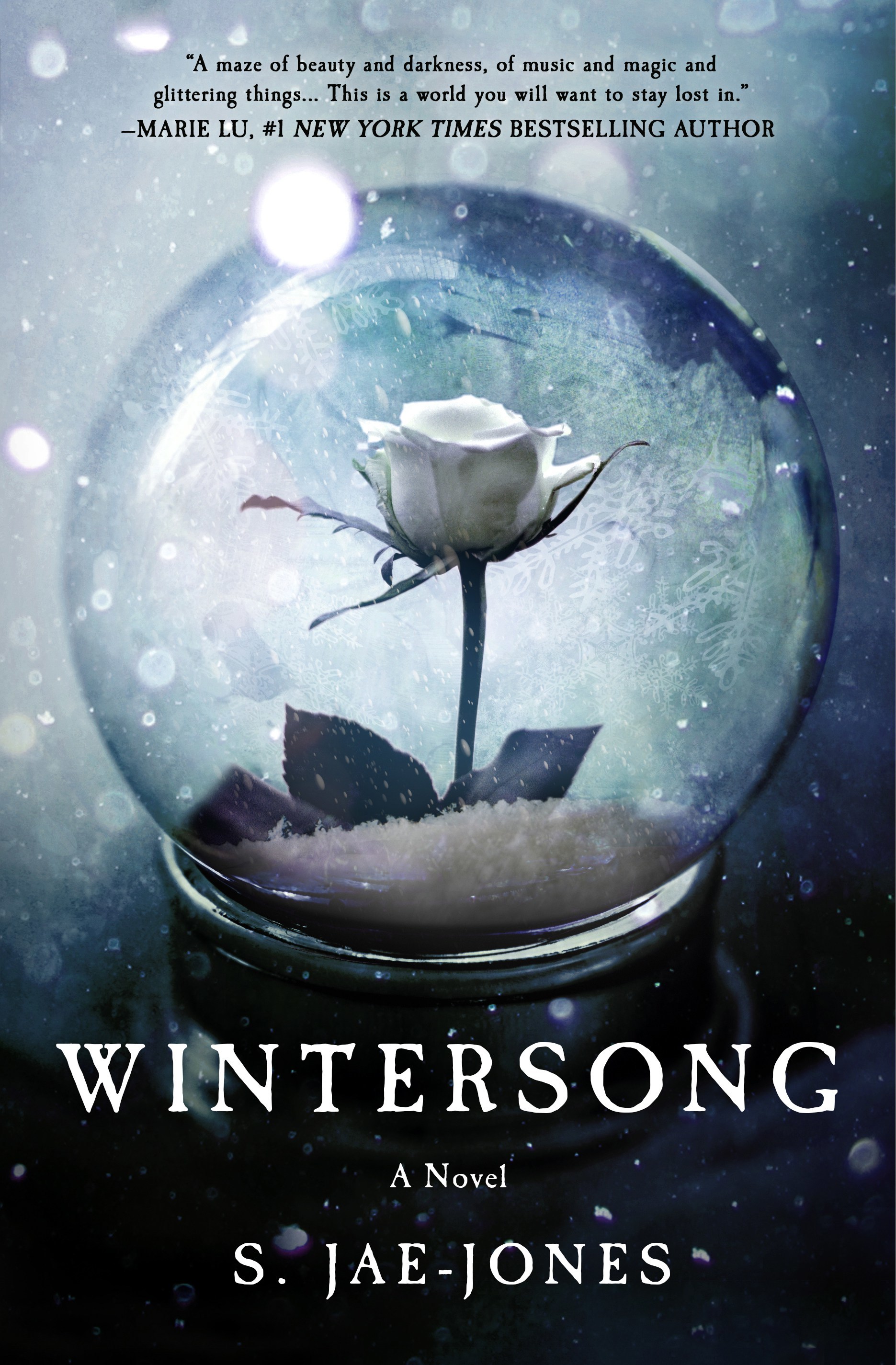
Wintersong (2019) by S Jae-Jones

Series: Duology, followed by "Shadowsong."

The last night of the year. Now the days of winter begin and the Goblin King rides abroad, searching for his bride…

All her life, Liesl has heard tales of the beautiful, dangerous Goblin King. They’ve enraptured her mind, her spirit, and inspired her musical compositions. Now eighteen and helping to run her family’s inn, Liesl can’t help but feel that her musical dreams and childhood fantasies are slipping away.

But when her own sister is taken by the Goblin King, Liesl has no choice but to journey to the Underground to save her. Drawn to the strange, captivating world she finds—and the mysterious man who rules it—she soon faces an impossible decision. And with time and the old laws working against her, Liesl must discover who she truly is before her fate is sealed.

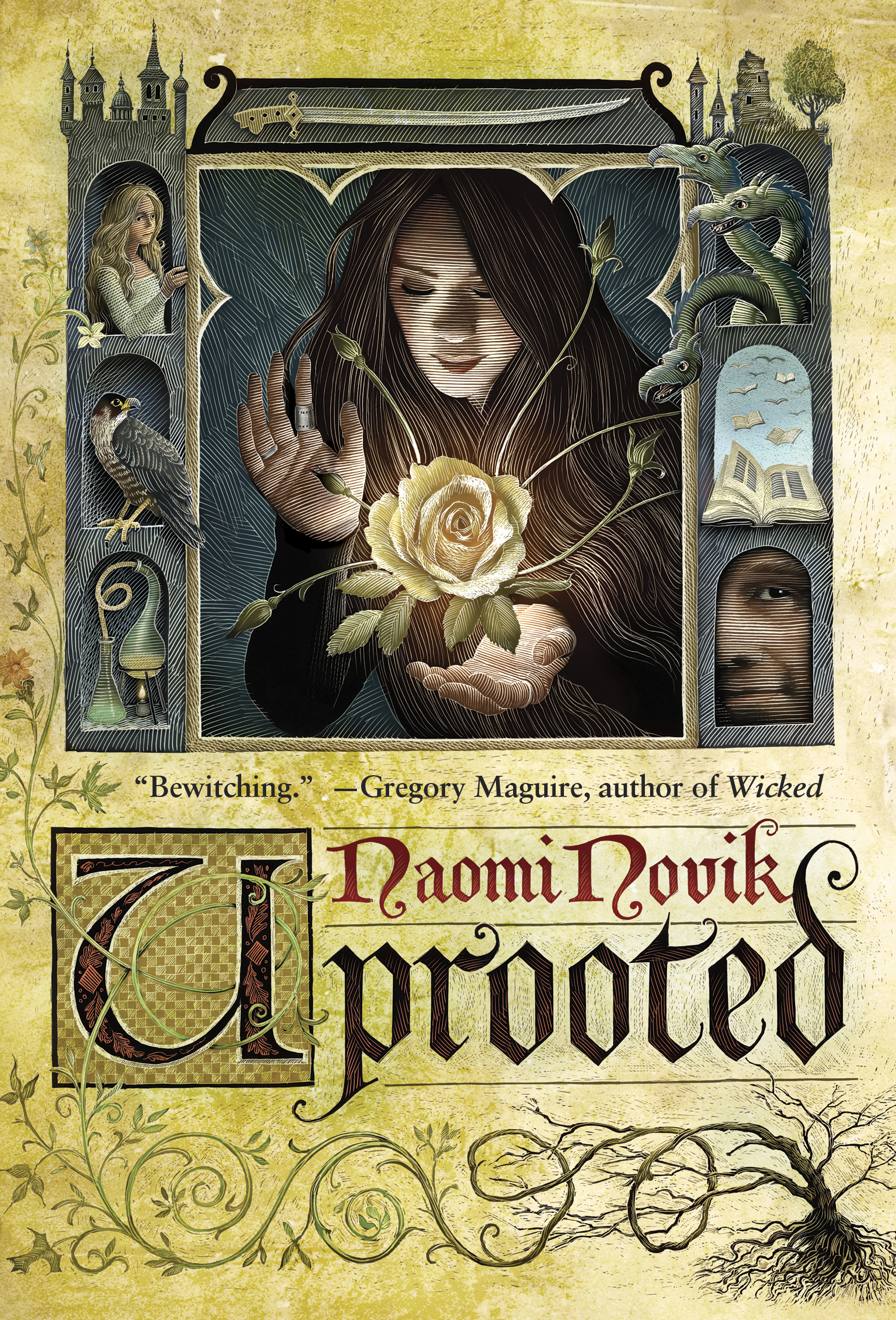
Uprooted (2015) by Naomi Novik

Series: Standalone

Agnieszka loves her valley home, her quiet village, the forests and the bright shining river. But the corrupted Wood stands on the border, full of malevolent power, and its shadow lies over her life.

Her people rely on the cold, driven wizard known only as the Dragon to keep its powers at bay. But he demands a terrible price for his help: one young woman handed over to serve him for ten years, a fate almost as terrible as falling to the Wood.

The next choosing is fast approaching, and Agnieszka is afraid. She knows—everyone knows—that the Dragon will take Kasia: beautiful, graceful, brave Kasia, all the things Agnieszka isn’t, and her dearest friend in the world. And there is no way to save her. But Agnieszka fears the wrong things. For when the Dragon comes, it is not Kasia he will choose.


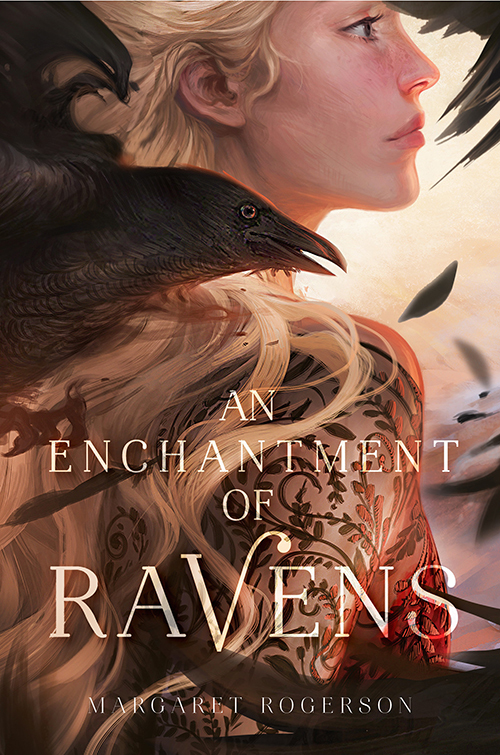
An Enchantment of Ravens (2017) by Margaret Rogerson

Series: Standalone

Every enchantment has a price.

With a flick of her paintbrush, Isobel creates stunning portraits for a dangerous set of clients: the fair folk. These immortal creatures cannot bake bread or put a pen to paper without crumbling to dust. They crave human Craft with a terrible thirst, and they trade valuable enchantments for Isobel’s paintings. But when she receives her first royal patron—Rook, the autumn prince—Isobel makes a deadly mistake. She paints mortal sorrow in his eyes, a weakness that could cost him his throne, and even his life.

Furious, Rook spirits Isobel away to his kingdom to stand trial for her crime. But something is seriously amiss in his world, and they are attacked from every side. With Isobel and Rook depending upon each other for survival, their alliance blossoms into trust, perhaps even love . . . a forbidden emotion that would violate the fair folks’ ruthless laws, rendering both their lives forfeit. What force could Isobel's paintings conjure that is powerful enough to defy the ancient malice of the fairy courts?

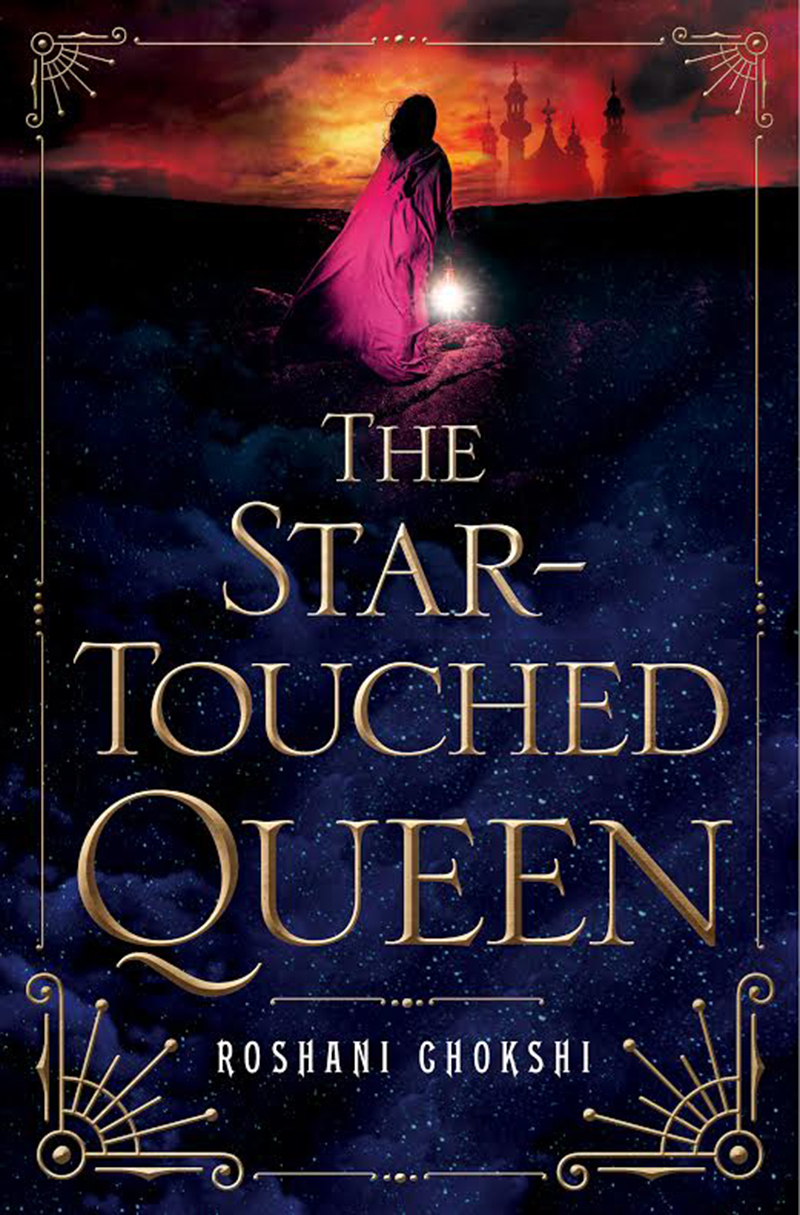
The Star-Touched Queen (2016) by Roshani Chokshi
Series: Duology + enovella 

Fate and fortune. Power and passion. What does it take to be the queen of a kingdom when you’re only seventeen?

Maya is cursed. With a horoscope that promises a marriage of death and destruction, she has earned only the scorn and fear of her father’s kingdom. Content to follow more scholarly pursuits, her whole world is torn apart when her father, the Raja, arranges a wedding of political convenience to quell outside rebellions. Soon Maya becomes the queen of Akaran and wife of Amar. Neither roles are what she expected: As Akaran’s queen, she finds her voice and power. As Amar’s wife, she finds something else entirely: Compassion. Protection. Desire…

But Akaran has its own secrets—thousands of locked doors, gardens of glass, and a tree that bears memories instead of fruit. Soon, Maya suspects her life is in danger. Yet who, besides her husband, can she trust? With the fate of the human and Otherworldly realms hanging in the balance, Maya must unravel an ancient mystery that spans reincarnated lives to save those she loves the most…including herself.

Deathless (2011) by Catherynne M. Valente

Series: Standalone

A handsome young man arrives in St Petersburg at the house of Marya Morevna. He is Koschei, the Tsar of Life, and he is Marya's fate.Koschei leads Marya to his kingdom, where she becomes a warrior in his tireless battle against his own brother, the Tsar of Death.

Years pass. Battle-hardened, scarred by love, and longing for respite, Marya returns to St Petersburg - only to discover a place as pitiful as the land she has just fled: a starveling city, haunted by death.


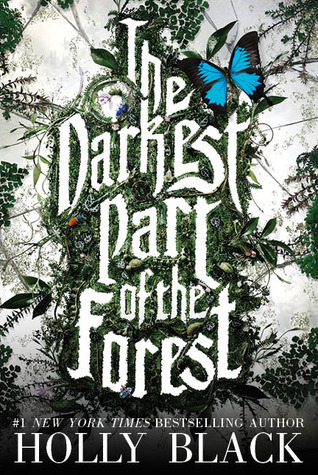
The Darkest Part of the Forest (2018) by Holly Black

Series: Standalone

Children can have a cruel, absolute sense of justice. Children can kill a monster and feel quite proud of themselves. A girl can look at her brother and believe they’re destined to be a knight and a bard who battle evil. She can believe she’s found the thing she’s been made for.

Hazel lives with her brother, Ben, in the strange town of Fairfold where humans and fae exist side by side. The faeries’ seemingly harmless magic attracts tourists, but Hazel knows how dangerous they can be, and she knows how to stop them. Or she did, once.

At the center of it all, there is a glass coffin in the woods. It rests right on the ground and in it sleeps a boy with horns on his head and ears as pointed as knives. Hazel and Ben were both in love with him as children. The boy has slept there for generations, never waking.

Until one day, he does…

As the world turns upside down, Hazel tries to remember her years pretending to be a knight. But swept up in new love, shifting loyalties, and the fresh sting of betrayal, will it be enough?


The Light Between Worlds (2018) by Laura E. Weymouth

Series: Standalone

Five years ago, Evelyn and Philippa Hapwell cowered from air strikes in a London bomb shelter. But that night took a turn when the sisters were transported to another realm called the Woodlands. In a forest kingdom populated by creatures out of myth and legend, they found temporary refuge.

When they finally returned to London, nothing had changed at all—nothing, except themselves.

Now, Ev spends her days sneaking into the woods outside her boarding school, wishing for the Woodlands. Overcome with longing, she is desperate to return no matter what it takes.

Philippa, on the other hand, is determined to find a place in this world. She shields herself behind a flawless exterior and countless friends, and moves to America to escape the memory of what was. But when Evelyn goes missing, Philippa must confront the depth of her sister’s despair and the painful truths they’ve been running from. As the weeks unfold, Philippa wonders if Ev truly did find a way home, or if the weight of their worlds pulled her under.


Thank you for reading!