notebook for the ages ♒︎

Showing posts with label clothing care. Show all posts

Lint & pilling

If you feel like all your clothes have lint [loose fibers] and end up pilling [tangled together into small balls], there may be a reason for it. Here are a few reasons why and tips to reduce and clean up pilled garments.

If you wish to watch a video on the topic instead, here's a suggestion.

What are lint and pilling?

⇾ Lint is short, loose fibers in a piece of clothing.

⇾ When loose fibers gather into small balls on your clothing, it's called pilling. 

⇾ Pilling usually consists of dust, hair, and thread from the garment itself or\and your environment.

⇾ Pilling is not a defect of a garment nor lowers its quality, but is a natural occurrence.

⇾ Clothes with a lot of pills can appear old and worn out. Removing it will freshen them up.


How do lint and pilling form?

⇾ Lint and pilling are frequent in wool, mixed materials (synthetic-natural fibers blends), and synthetics. It exists in all types of fibers.

⇾ Friction, like repeated movements on a part of a garment, causes loose fibers to move to the surface and attach themselves to fibers that still are secured to the fabric.

⇾ Synthetics create more static electricity than natural fibers. This increases pilling. When strong synthetic fibers are blended with weaker natural fibers like cotton, the cotton may break but the synthetics attach it to the garment, creating pills. 

⇾ Natural materials generally shed lint less noticeably when being the main content of a garment compared to synthetics.

⇾ Lint and pilling often come to the surface in the washing machine as a result of the physical cleaning process or heat from the dryer weakening and breaking the fibers over time.


How to remove or reduce lint?

⇾ Always follow the washing instructions on the garment.

    ⇾ Wash the garment inside out

    ⇾ Separate delicate and sturdier items

    ⇾ Use as cold water as reasonable 

    ⇾ Hang to dry instead of using a dryer

    ⇾ Use a washing detergent with the cellulase enzyme in it. Cellulase helps remove lint from your garment.

⇾ Get a lint remover to remove lint on your clothes. There are several options here: electric, brush, comb, scissors, fabric shaver. 

⇾ Purchase clothes in fabrics\blends that are less likely to lint

    ⇾ Smooth tightly woven fabrics (not knitted)

    ⇾  Tightly twisted yarn

    ⇾ Denim, linen, cursory, spandex, lycra, silk

⇾ Wash clothes that you know lint separate from clothes that are known to attract lint

    ⇾ Curdory, wool, and polyester are known to attract lint very well


Thank you for being here. If you read to the end, I hope you found some of this useful. ♡


Sources:

Understanding fabric pilling by Archipro

How to prevent pilling and get lint off clothes by NORI

What is fabric pilling and how to prevent it by WhirlPool

The qualities of syntethics

You can read about wool here

You can read laundry tips here. 


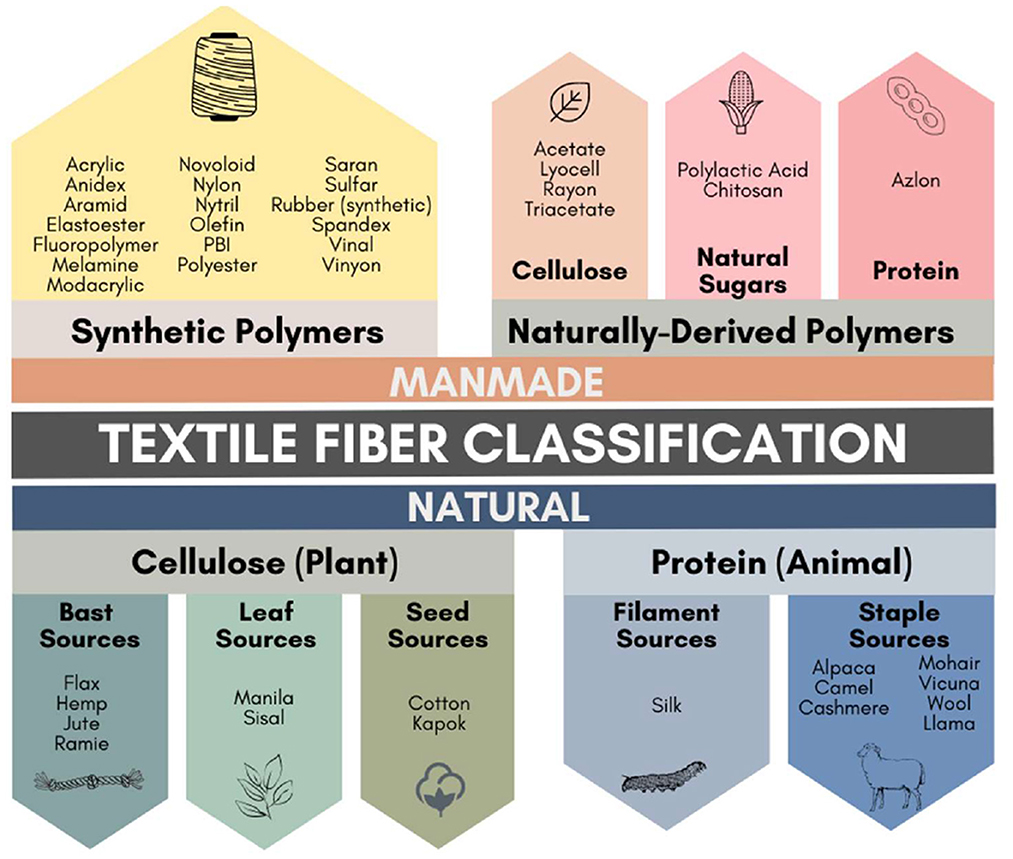
Over two-thirds of today's garment production is based on synthetic materials like polyester, nylon, or acrylic. Different synthetics have different qualities that make them more or less suitable for different uses. The purpose of this post is to explain some of the main qualities of the most popular synthetics found in clothing as well as the positive and negative sides of the material. Following the figure below, this post will focus on the pentagon of "synthetic polymers." 


Based on the information from "Physical Properties of Textile Fibers (2008)" by W. E. Morton and J. W. S. Hearle. Illustration by Schumancer & Foster (2022).


Benefits of synthetic polymers

The use of synthetic fibers in clothes was introduced to the market in the 1930s as women's hosiery. New types quickly followed; spandex hit the market; then nylon, and so on. Synthetic fabrics were instantly enjoyed as they eased up women's housework by being easy to care for and a high-performing material. It was a part of the technological revolution after the second world war that freed up more time so more women were able to enter the workforce. Today, the use of synthetic fibers has skyrocketed and we draw both pros and cons from its usage.

⇾ Easy care (wash, dry, iron)

⇾ Versatile

⇾ Durable and strong fibers

⇾ Dry fibers

⇾ Cheaper than natural fibers

⇾ Production of fibers is always available, unlike natural fibers that rely on natural cycles 


Drawbacks of synthetic polymers

⇾ Relies on petrochemicals 

⇾ Produces microplastics from the production stage to end-of-life. Synthetics are one of the world's largest causes of environmental pollution, affecting all spheres of life. 

⇾  Not compostable or biodegradable 

⇾ Low percentage of recycled materials in-use globally

⇾  Easily creates static electricity

        ⇾ Easily lint

        ⇾ Attracts dust

⇾ Does not breathe well

⇾ Bad at absorbing moisture and odor. Hydrophobic, which makes it suitable for water-repelling garments like raincoats and swimwear.

⇾ Consistent exposure to plastics is linked to negative health effects (endocrine disruption, cancer)


Different types of synthetic fibers have different qualities and require different care and uses to have the longest lifespan.


Polyester

 Can be boiled, but is well cleaned at 40-60 degrees

Easy to iron

Hang to dry in the sunshine

Frequent exposure to sunlight


Nylon

Lightweight

Waterproof

Elastic

✓ Iron carefully at the lowest temperatures with a different fabric between the nylon and iron. Nylon is not designed to be ironed. Alternatively, steam it to remove wrinkles.

Sun exposure. UV exposure will weaken the quality and fade the color. 


Acryl

✓ Light and soft fabric

Hard to wrinkle

✓ Resistant to sunlight

✓ Oftenmost used to replace wool thread but does not as warm well or felt. It is however more elastic and stronger than wool.

Wash at 30 degrees or lower

Iron at low temperatures

Absorbs moisture well

Breathable

Heat resistant. Acryl is easily flammable and will melt. 

Easy to care for

Colors bleed easily


Spandex

✓  Elastic 

Resistant to shrinkage 

Resistant to wrinkles

Colors sit well

✓  Expensive compared to other synthetics

 Wash with a mild, alkalic washing detergent in cold water

Lints easily

Absorbs sweat and odor

Breathable

Suitable for long-term use in underwear


Elastane

Elastic

Lightweight

Form-fitting

Suitable for athletic wear, swimwear, and lingerie

Prevents odor

Durable qualities. Loses elastic quality over time, leading to sagging and misshaping. 


References

"Lettstelt" (2019) and "Lettkledd" (2020) by Ingun Grimstad Klepp and Tone Skårdal Tobiasson.

Thank you, to my online friend who helped me out with information from their fashion studies! ♡

Wool care & knowledge

Different types of wool have different qualities making them suited or less suited for different uses and situations. Unlike plant fibers like cotton or synthetics like acryl, wool is a protein often viewed as requiring special care. However, caring for wool doesn't have to be hard. Below, this post will take you through a handful of tips sorted as "knowledge" or "wash and care" based on the book "Lettstelt - Rene klær med lite arbeid og miljøbelastning" [Easy Care - Clean clothes with little work and environmental impact] by Ingun Grimstad Klepp and Tone Skrårdal Tobiasson. The purpose of this post is to make some basic knowledge more accessible and mobile for people (Including myself). If you're interested in more information about washing and caring for different types of fibers, check out Lettstelt at the library, friend, or local store! 

Table of content:
i. The common qualities of wools
ii. Wools for different purposes
iii. How to easily tend to wool clothes
iv. How to remove stains on wool
v. How to wash wool

KNOWLEDGE

These are the common qualities of all types of wool. These are the qualities that will make wool a purposeful choice based on what you want a garment to do for you. The main sources of wool fibers are sheep, goats (mohair), and bunnies (angora).

⇾ Stays clean for a long time
⇾ Reduces smell
⇾ Good resistance against dirt & stains
⇾ Insulating for warmth, even when it is wet
⇾ Temperature regulating
⇾ Can be soft or hard depending on the micron 
⇾ Itchy or non-itchy
⇾ Naturally fire resistance
⇾ Flexible
⇾ Tendency to lint
⇾ Can last for a long time if taken properly care of

Different types of wool suit different purposes.

Soft and fine wool fibers
For example angora, merino, alpaca, or mohair.

⇾ Shrinks more easily than stronger wool types
⇾ Often treated with Superwash (a thin layer of plastic) to prevent shrinkage during wash. Superwash is not necessary in clothing that rarely is being washed, in crossbreed wool, or mixed with silk. Total Easy Care is the most intense Superwash treatment which makes a wool item endure the dryer.
⇾ Lightweight
⇾ Fragile due to short and thin fibers
⇾ Good for soft and fine clothes close to your skin, neck, or face. For example, underwear, thin wool sweaters, or scarves. When layered, soft and fine wools are usually the inner layer close to the skin.
⇾ Angora and alpaca may be irritating to the airways. Merino naturally lint little compared to the others
⇾ When used in knits, loosely knit or heavy pieces may sag. To countermeasure this, you can do a structured knit, lay flat to dry, and store off an hanger.


Strong and thicker fibers
For example sheep wool; strong wool or cross bred.

⇾ Often more weighted
⇾ Les fitted pieces to create air for thermal insulation
⇾ When layered, thicker wools are usually the middle layer
⇾ Good for thicker pieces further away from the body like thick sweaters, outdoor clothes like mittens and hats, and sturdy enough for socks that see a lot of harsh use. Wool is not windproof, so windproof jackets or mittens can be a good outer layer.

WASH & CARE of WOOL

When washing clothes, you tend to the weakest fiber in the fiber mix. If a garment contains any percentage of wool, it should be washed according to that.

How to easily tend for wool 

 Stick to the washing label 
 Keep dry to keep clean
 Only wash with washing detergents made for wool
✓ Don't use more washing detergent than recommended
 Air out after use and "beat" it to get out dust
 Brush off the dust and crumbly spots
 Store folded in non-synthetic bags 
 Get a lint remover tool for the lint
Store in a newly cleaned and dry place, for example, wrapped in newspaper to counteract pests that like to munch on wool. If they appear, vacuum and dust all textiles throughout, wash garments at 60 degrees Celsius, or freeze at -25 degrees for at least four days depending on the pest.
 Look for detergents marked by the Swan Label or EU Ecolabel if that's in your interest

How to remove basic stains on wool

⇾ Sugar and salt-based stains and starches are soluble in water.
⇾ Fats and oils require warm water and washing detergents\soaps. Scrape off what you can (if applicable), and put directly under the water tap with the stained side down. Use stain remover if needed.
⇾ Proteins like blood or eggs require cold water. Warm water will only set the stain. Scrape off what you can (if applicable), and put directly under the water tap with the stained side down and rinse through. Use stain remover before rinsing if needed. Only get the part of the item that is stained wet to prevent the possible negative effects of stain removers and washing on fibers and color.
⇾ Pigmented stains likely need to be "bleached" gone. On wool, you can try to use lemon soap since bleach is not compatible with wool. It can irreversibly change color and "eats" the wool fibers.
⇾ Wet spills should be treated fast and try to be absorbed with a different material like toilet paper or salt to avoid an unnecessary expansive stain.
⇾ Sweat stains from wool are most effectively aired out, but also wash if it doesn't work

How to wash wool

Always use wool detergents
If you don't have it, use hair shampoo
Always use the wool-washing program on your washing machine
Don't fill up the machine with clothes. Leave some extra space
End with fast centrifugation
Stretch and pull after centrifugation to keep the size 
 Leave wool to soak in water
Dry in the sun 
 Tumble dry


Reference list
 "Lettstelt" (2019) and "Lettkledd" (2020) by Ingun Grimstad Klepp and Tone Skårdal Tobiasson.
Picture of yarn by Anastasia Zhenina on Unsplash.
Picture of sheep by Andrea Lightfoot on Unsplash.

Low Impact Laundry

The "in-use" stage of a garment's lifespan represents one-fourth of the total impact of our clothing. How long we keep our clothes and actively wear them can reduce the impact they have on the environment. It's estimated that a garment in the United Kingdom lasts about 2.2 years before being discarded. The 2012 Wrap rapport showed that if we extend the time we use our clothing by 33% (9 months, based on the average use being 2.2 years) it is possible to reduce the total carbon footprint of our clothing by 27%. How often we wash and tumble dry, the fiber content, temperature, and detergents used are important values making out the total impact. To make this into practical solutions, I collected a handful of ways to do laundry that prioritizes its lastingness and impact on the environment.
HOW TO CLEAN MORE GENTLY
Spot clean & air-freshen. Often, clothes don't need to go straight into the washing machine. Instead, it can be enough to spot clean or air-freshen a garment so you can use them more before you wash them. Most people wash their clothes too often, or unnecessarily, something that reduces the lifespan of the garment, removes dye faster, and lowers the fiber quality.

Hang to dry. Tumble drying is energy-intensive and can be substituted for air-drying clothes on a rack. Washing and drying our clothing makes up about 10% of the total CO₂ emission of cars in the UK. Air-drying can be done outside all year round, or inside. For people not used to this practice, drying time is normally between 1-3 days indoors, possibly more during the winter months and shorter during summer. Some textiles benefit from being air-dried or laid out flat to dry. It helps preserve their shape and can reduce wrinkles. Hanging to dry saves both money and electricity.

Change your washing detergent to a non-toxic, "eco-friendly" alternative. Washing detergents can directly affect marine life as many include harmful or toxic components that accumulate in the water bodies or living organisms. These components can have a negative effect on our bodies and health when they absorb into our skin through the wear of our garments. Phosphorus is one ingredient to look out for that is known to cause water pollution and is linked to heart disease. In water, Phosphorus can create algae bloom and suffocate small water bodies or rivers. You also want to avoid 1,4-Dioxane and phthalates.They are known to be endocrine disruptive and human carcinogenic. They can cause serious illness with long-term air exposure or consumption.

Some will avoid a variety of other chemicals (the list of options are long) for different reasons. Some are oil derivatives, fragrances, or other chemicals linked to disrupting or harming organisms. A handful of examples of these are ammonia, nonylphenol ethoxylate, phenols, and Sodium Laurel Sulfates (SLS). Avoiding all of them is a rather large task, and settling for a trade-off is oftenmost the reality.

Some natural alternatives to conventional detergents are: Bio-D laundry powder, laundry washing strips or sheets (e.g.TruEarth or kind lauder), CleanCult, and the EcoEgg. Some people use soapnuts or DIY\old recipes. The positive about eco-friendly detergents is that they are gentler with your garment by using less harsh ingredients. That may however fire back if you have deep stains or smells set into the garment long before wash. That's a consideration you have to make for yourself and your lifestyle.

Wash at lower temperatures. Heating the water in the washing machine uses up to 90% of all the energy in a washing cycle. Lowering the temperatures on most washes to 30-40 degrees helps reduce energy usage and CO emissions. Some items you may want to wash at higher temperatures (bedsheets, underwear, and towels). Activewear is also an option, however, one should be aware that the higher the temperature used on synthetic fibers, the more microplastic it sheds in the wash. It is understandable that 30-40 degrees may be too low for some, and we got to do what works for our lifestyle and equipment. However, before the idea gets disregarded, try it out with certain types of clothes and maybe you find a way to wash some of your clothes at a lower temperature.
Read the label. Read the label so you know what temperature and sort of wash each garment are suited for. There's no problem mixing clothes at lower temperatures than what the label says, just be aware to not go higher than the lowest one in the batch. Preferably, wash similar colors together, at least separate out white to keep the white looking white, and to not wash brand clothes with light-colored clothes when they are a darker color. They are likely going to color the lighter pieces.

If you're unsure of what some labels mean, Love Your Clothes have a guide to understanding care labels.

Use a guppy bag or filter to reduce the microplastics from a wash. Everything from a few thousand to several million microfibers may be released in one wash. If you use a washing bag or install a microfiber filter you can reduce the impact of your synthetic clothing by keeping what you reasonably can out of the wastewater and the sea. If you concurrently limit your purchase of new synthetic clothing you're taking it a step further. However, don't look blindly at this statement. Just because textile is made of natural fibers, it's not necessarily better for the planet. Conventional cotton, for example, has a massive environmental impact that should not be overlooked. As well does denim and leather.

FURTHER RESOURCES
  • Love Your Clothes is a British campaign aiming to help reduce the impact our clothing has on the environment. It is full of advice on how better to take care of our clothing through wash, repair and reuse.
  • The website, Scandinavian Standard, has an article titled "The Ultimate Guide to Sustainably Caring For Your Clothes(2019)." It's a good place to start to explore more alternatives to promote the longevity of your garments.