notebook for the ages ♒︎

Showing posts with label fashion. Show all posts

Lint & pilling

If you feel like all your clothes have lint [loose fibers] and end up pilling [tangled together into small balls], there may be a reason for it. Here are a few reasons why and tips to reduce and clean up pilled garments.

If you wish to watch a video on the topic instead, here's a suggestion.

What are lint and pilling?

⇾ Lint is short, loose fibers in a piece of clothing.

⇾ When loose fibers gather into small balls on your clothing, it's called pilling. 

⇾ Pilling usually consists of dust, hair, and thread from the garment itself or\and your environment.

⇾ Pilling is not a defect of a garment nor lowers its quality, but is a natural occurrence.

⇾ Clothes with a lot of pills can appear old and worn out. Removing it will freshen them up.


How do lint and pilling form?

⇾ Lint and pilling are frequent in wool, mixed materials (synthetic-natural fibers blends), and synthetics. It exists in all types of fibers.

⇾ Friction, like repeated movements on a part of a garment, causes loose fibers to move to the surface and attach themselves to fibers that still are secured to the fabric.

⇾ Synthetics create more static electricity than natural fibers. This increases pilling. When strong synthetic fibers are blended with weaker natural fibers like cotton, the cotton may break but the synthetics attach it to the garment, creating pills. 

⇾ Natural materials generally shed lint less noticeably when being the main content of a garment compared to synthetics.

⇾ Lint and pilling often come to the surface in the washing machine as a result of the physical cleaning process or heat from the dryer weakening and breaking the fibers over time.


How to remove or reduce lint?

⇾ Always follow the washing instructions on the garment.

    ⇾ Wash the garment inside out

    ⇾ Separate delicate and sturdier items

    ⇾ Use as cold water as reasonable 

    ⇾ Hang to dry instead of using a dryer

    ⇾ Use a washing detergent with the cellulase enzyme in it. Cellulase helps remove lint from your garment.

⇾ Get a lint remover to remove lint on your clothes. There are several options here: electric, brush, comb, scissors, fabric shaver. 

⇾ Purchase clothes in fabrics\blends that are less likely to lint

    ⇾ Smooth tightly woven fabrics (not knitted)

    ⇾  Tightly twisted yarn

    ⇾ Denim, linen, cursory, spandex, lycra, silk

⇾ Wash clothes that you know lint separate from clothes that are known to attract lint

    ⇾ Curdory, wool, and polyester are known to attract lint very well


Thank you for being here. If you read to the end, I hope you found some of this useful. ♡


Sources:

Understanding fabric pilling by Archipro
How to prevent pilling and get lint off clothes by NORI

What is fabric pilling and how to prevent it by WhirlPool

The qualities of syntethics

You can read about wool here

You can read laundry tips here. 


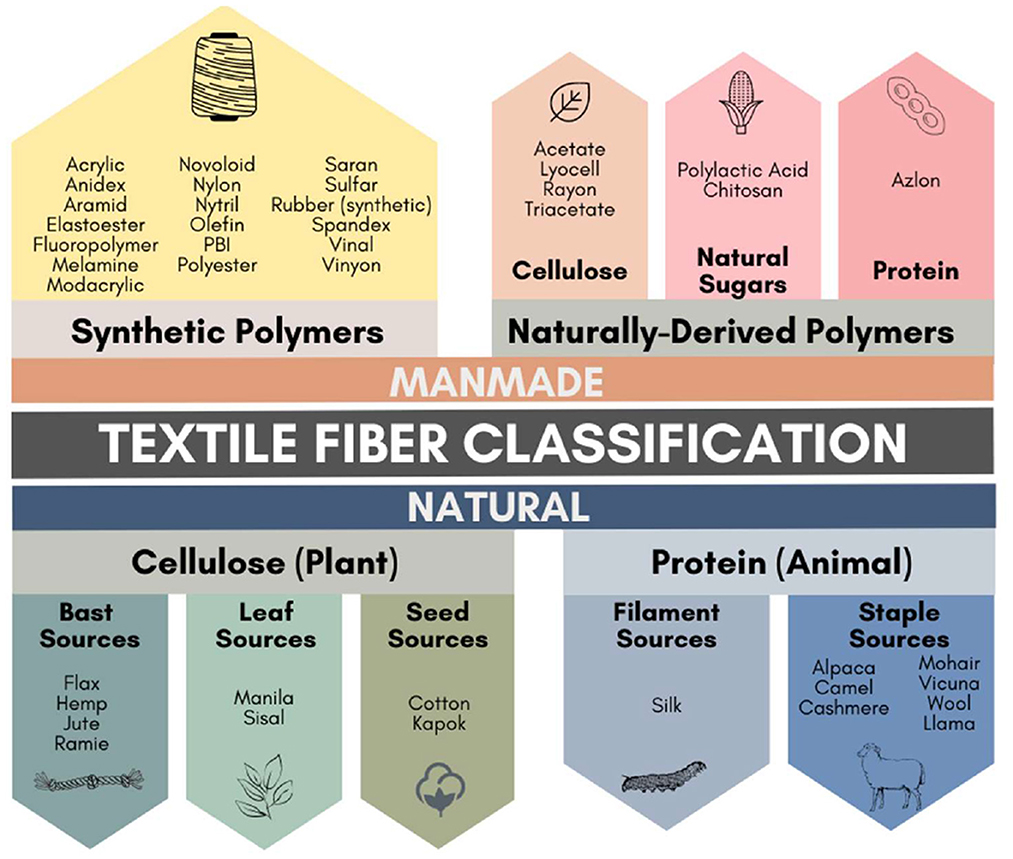
Over two-thirds of today's garment production is based on synthetic materials like polyester, nylon, or acrylic. Different synthetics have different qualities that make them more or less suitable for different uses. The purpose of this post is to explain some of the main qualities of the most popular synthetics found in clothing as well as the positive and negative sides of the material. Following the figure below, this post will focus on the pentagon of "synthetic polymers." 


Based on the information from "Physical Properties of Textile Fibers (2008)" by W. E. Morton and J. W. S. Hearle. Illustration by Schumancer & Foster (2022).


Benefits of synthetic polymers

The use of synthetic fibers in clothes was introduced to the market in the 1930s as women's hosiery. New types quickly followed; spandex hit the market; then nylon, and so on. Synthetic fabrics were instantly enjoyed as they eased up women's housework by being easy to care for and a high-performing material. It was a part of the technological revolution after the second world war that freed up more time so more women were able to enter the workforce. Today, the use of synthetic fibers has skyrocketed and we draw both pros and cons from its usage.

⇾ Easy care (wash, dry, iron)

⇾ Versatile

⇾ Durable and strong fibers

⇾ Dry fibers

⇾ Cheaper than natural fibers

⇾ Production of fibers is always available, unlike natural fibers that rely on natural cycles 


Drawbacks of synthetic polymers

⇾ Relies on petrochemicals 

⇾ Produces microplastics from the production stage to end-of-life. Synthetics are one of the world's largest causes of environmental pollution, affecting all spheres of life. 

⇾  Not compostable or biodegradable 

⇾ Low percentage of recycled materials in-use globally

⇾  Easily creates static electricity

        ⇾ Easily lint

        ⇾ Attracts dust

⇾ Does not breathe well

⇾ Bad at absorbing moisture and odor. Hydrophobic, which makes it suitable for water-repelling garments like raincoats and swimwear.

⇾ Consistent exposure to plastics is linked to negative health effects (endocrine disruption, cancer)


Different types of synthetic fibers have different qualities and require different care and uses to have the longest lifespan.


Polyester

 Can be boiled, but is well cleaned at 40-60 degrees

Easy to iron

Hang to dry in the sunshine

Frequent exposure to sunlight


Nylon

Lightweight

Waterproof

Elastic

✓ Iron carefully at the lowest temperatures with a different fabric between the nylon and iron. Nylon is not designed to be ironed. Alternatively, steam it to remove wrinkles.

Sun exposure. UV exposure will weaken the quality and fade the color. 


Acryl

✓ Light and soft fabric

Hard to wrinkle

✓ Resistant to sunlight

✓ Oftenmost used to replace wool thread but does not as warm well or felt. It is however more elastic and stronger than wool.

Wash at 30 degrees or lower

Iron at low temperatures

Absorbs moisture well

Breathable

Heat resistant. Acryl is easily flammable and will melt. 

Easy to care for

Colors bleed easily


Spandex

✓  Elastic 

Resistant to shrinkage 

Resistant to wrinkles

Colors sit well

✓  Expensive compared to other synthetics

 Wash with a mild, alkalic washing detergent in cold water

Lints easily

Absorbs sweat and odor

Breathable

Suitable for long-term use in underwear


Elastane

Elastic

Lightweight

Form-fitting

Suitable for athletic wear, swimwear, and lingerie

Prevents odor

Durable qualities. Loses elastic quality over time, leading to sagging and misshaping. 


References

"Lettstelt" (2019) and "Lettkledd" (2020) by Ingun Grimstad Klepp and Tone Skårdal Tobiasson.

Thank you, to my online friend who helped me out with information from their fashion studies! ♡